
Hormone Deficiency in Menopause
Whether entering menopause naturally or surgically via hysterectomy, the drastic decline and eventual cessation of both estrogen and progesterone can lead to a host of symptoms and decreased quality of life for women. Most women know that estrogen is lost in menopause. Additionally, the symptoms of progesterone deficiency are the same in menopause as with PMS. Seeking effective hormone replacement therapy for menopause can help restore balance during this time.
Symptoms of Estrogen Deficiency Include:
- Hot Flashes
- Night Sweats
- Vaginal Dryness
- Sleep Disturbances
- Foggy Thinking
- Incontinence
- Thinning Skin
- Osteoporosis
Estrogens play an important role in protecting bones, sustaining a healthy cardiovascular system, regulating the reproductive system, and preserving brain function. There are three naturally occurring estrogens—estrone (E1), estradiol (E2), and estriol (E3). Of these, estrone is the most potent. Understanding these symptoms of estrogen deficiency is the first step toward finding perimenopause relief.
Treatment of Estrogen Deficiency*
* Because of the risk factors of taking estrogen alone, estrogen should always be taken in balance with progesterone, even if a woman still has her ovaries.
Frequently Asked Questions | Hormone Replacement Therapy for Menopause
Restoring hormonal harmony is most effective when you take a two-pronged approach that combines natural lifestyle changes with natural compounded medicine. Lifestyle habits, like an anti-inflammatory diet, consistent movement, and stress management, are the essential foundation that “primes” your body for success. To complete the picture, we recommend bioidentical hormone replacement therapy (BHRT). Because these hormones are molecularly identical to those your body produces naturally, they work in harmony with your body’s biology rather than against it. This integrated approach ensures you provide your system with the exact support it needs for a functional, natural menopause treatment.
The type of replacement needed varies by individual, but many women seek perimenopause relief through a combination of estrogen and progesterone. BHRT for women is frequently used to smooth out the hormonal fluctuations that occur during this transition, helping to stabilize mood and energy levels.
The most common symptoms of estrogen deficiency include hot flashes, night sweats, vaginal dryness, and sleep disturbances. A significant hormone deficiency in menopause can also lead to “foggy thinking,” skin thinning, and an increased risk of osteoporosis if left unaddressed.
Yes. Bioidentical hormones are a cornerstone of modern menopause treatment. Because they mimic the body’s natural hormones, they are used to effectively address estrogen deficiency and progesterone loss, providing a customized path to hormonal balance and symptom relief.
Perimenopause typically begins in a woman’s 40s, though it can start in the mid-30s for some. This stage marks the beginning of declining estrogen levels. Identifying the early symptoms of estrogen deficiency can help women seek perimenopause relief sooner, making the eventual transition into menopause much smoother.
Compounded Bi-Est (80-20) SR capsules
80-20 is 80% Estriol and 20% Estradiol
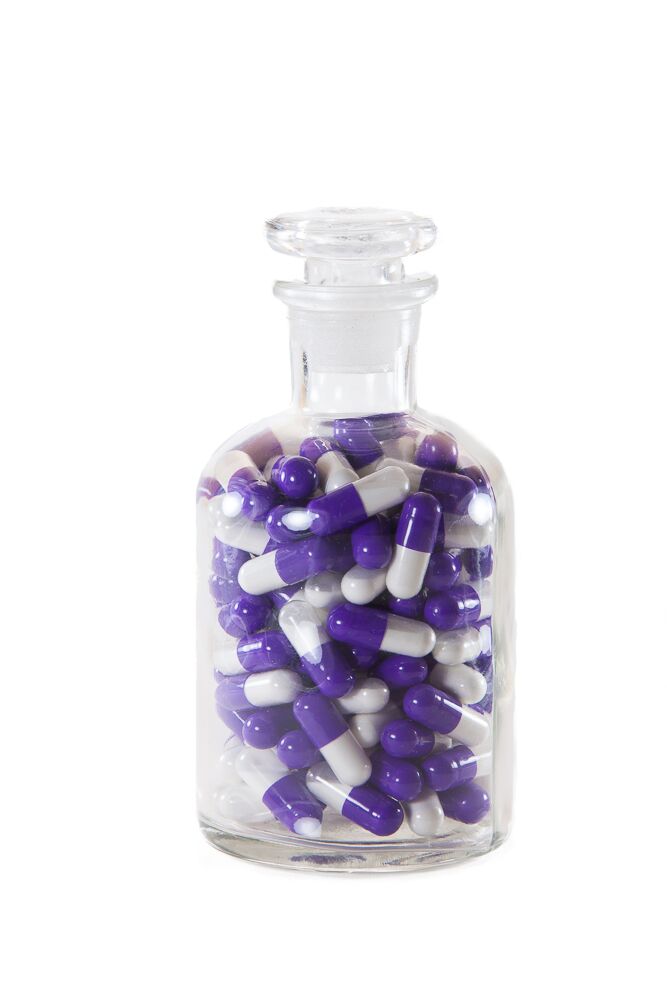
Compounded Bi-Est (73-27) SR capsules
73-27 is 73% Estriol and 27% Estradiol
Compounded Bi-Est (60-40) SR capsules
60-40 is 60% Estriol and 40% Estradiol
Compounded Bi-Est (80-20) sublingual tablets
Compounded Bi-Est topical or vaginal cream
Compounded Estriol SR capsules
Compounded Estriol sublingual tablets
Compounded Estriol topical or vaginal cream
Contact Us
Local: 281-828-9088
Toll Free: 877-640-5248
Fax: 281-828-9669
pharmacy@PhysiciansPreferenceRx.com
Location
20214 Braidwood Drive
Suite 140
Katy, Texas 77450
See Map




© Copyright 2026. Physicians Preference Pharmacy. All Rights Reserved.